the story and the vision
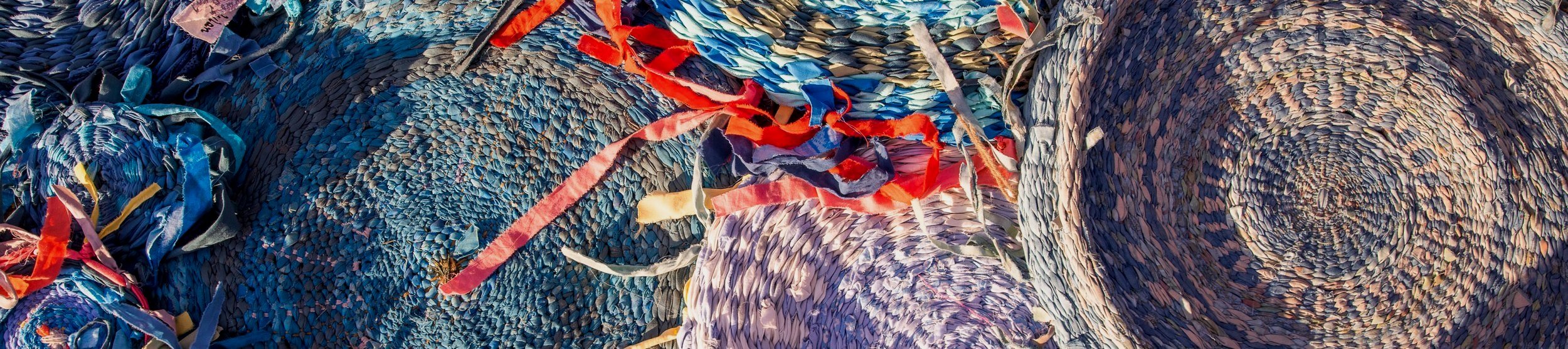
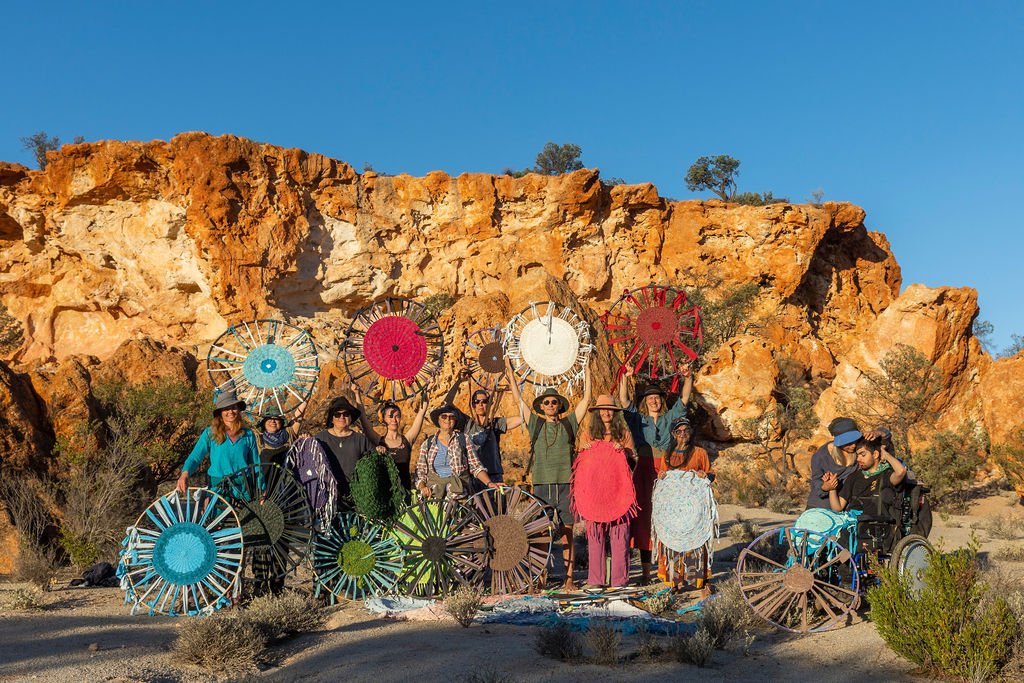
Reclaim the Void was born from a community gathering in Leonora, Western Australia, where an elder expressed pain and grief at ‘those gaping mining holes left all over our country’. The vision is to create a huge artwork to lay on land affected by mining. Created from over 4,000 hand-woven rugs made from discarded fabric by people from around Australia and beyond, the finished artwork will express the story of sacred country.
Country is alive with story, song, dance, law, tjukurrpa. When we wound country, we wound ourselves, and end up with a scarred physical and cultural landscape.
Reclaim the Void sits at the meeting place of land art, contemporary textiles, community, story and culture. It expresses a shared desire for conciliation and is the collaborative recognition of country as alive, vulnerable and sacred.
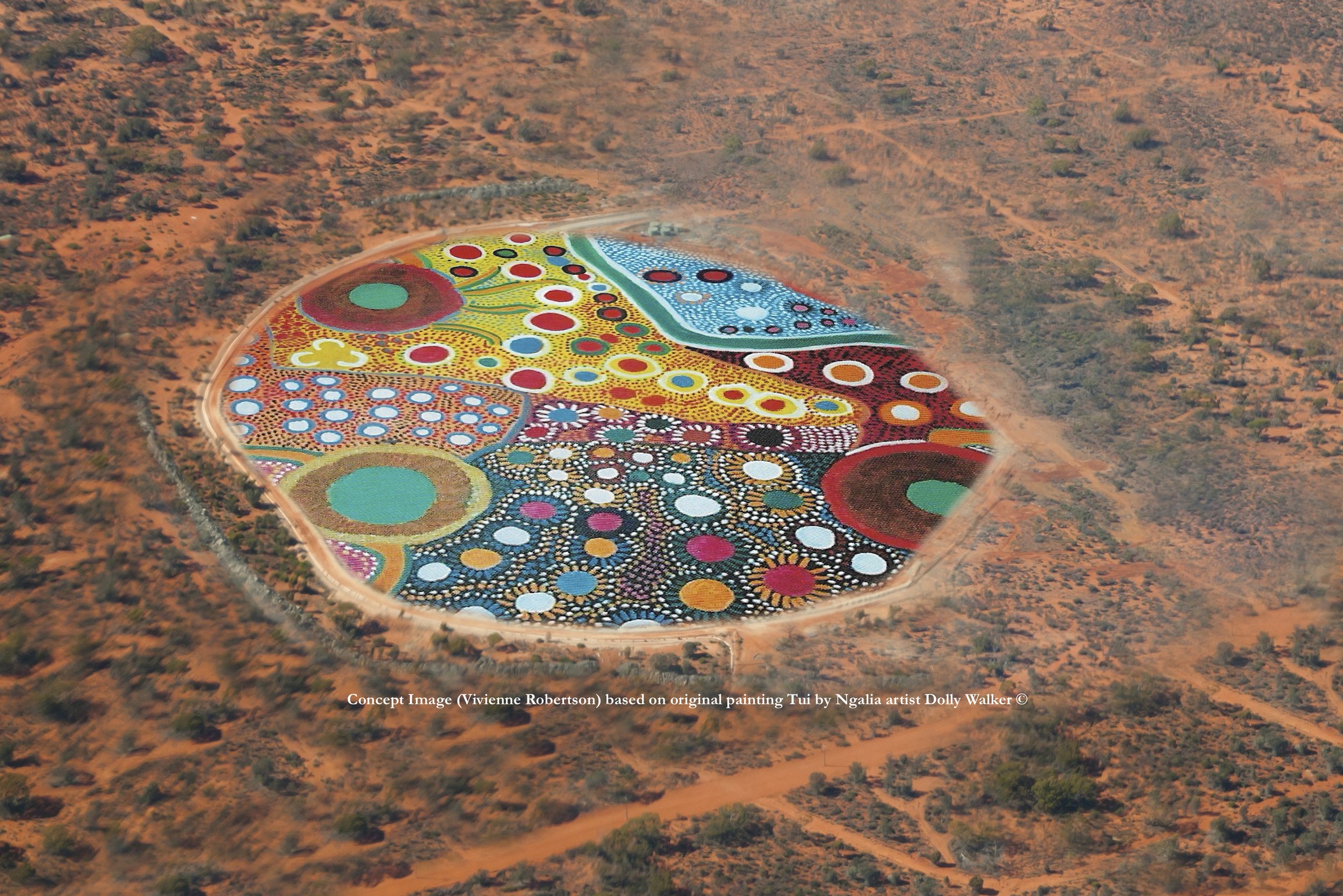
Based on original painting by Ngalia elder DW. Concept image Vivienne Robertson.
from vision to reality
We now have over 4,000 rugs - modest, small-scale acts of hope, that acknowledge, apologise and express hope for a better future in relation to damage done to country and its custodians. Rugs have been contributed from people aged 2 to 96, and from every state and territory in Australia, as well as the Philippines, Japan, USA and Aoteoroa/NZ.
Reclaim the Void is about stories. We have almost completed the development an interactive digital ‘rugalogue’ of the final artwork: a ‘makers’ map’ which will include the tapestry of stories of all the people who have contributed; and will be a story in its own right, of our collective love, respect, and wish to care for country.
It’s the story and acknowledgement of careless over-consumption, that is central to Reclaim the Void. We are having a conversation about caring for country, and honouring its custodians.
An interactive ‘rugalogue’ is soon to be launched. It will contain the ‘makers map’ showing where the rugs were made, and include some of the stories sent in with the rugs.

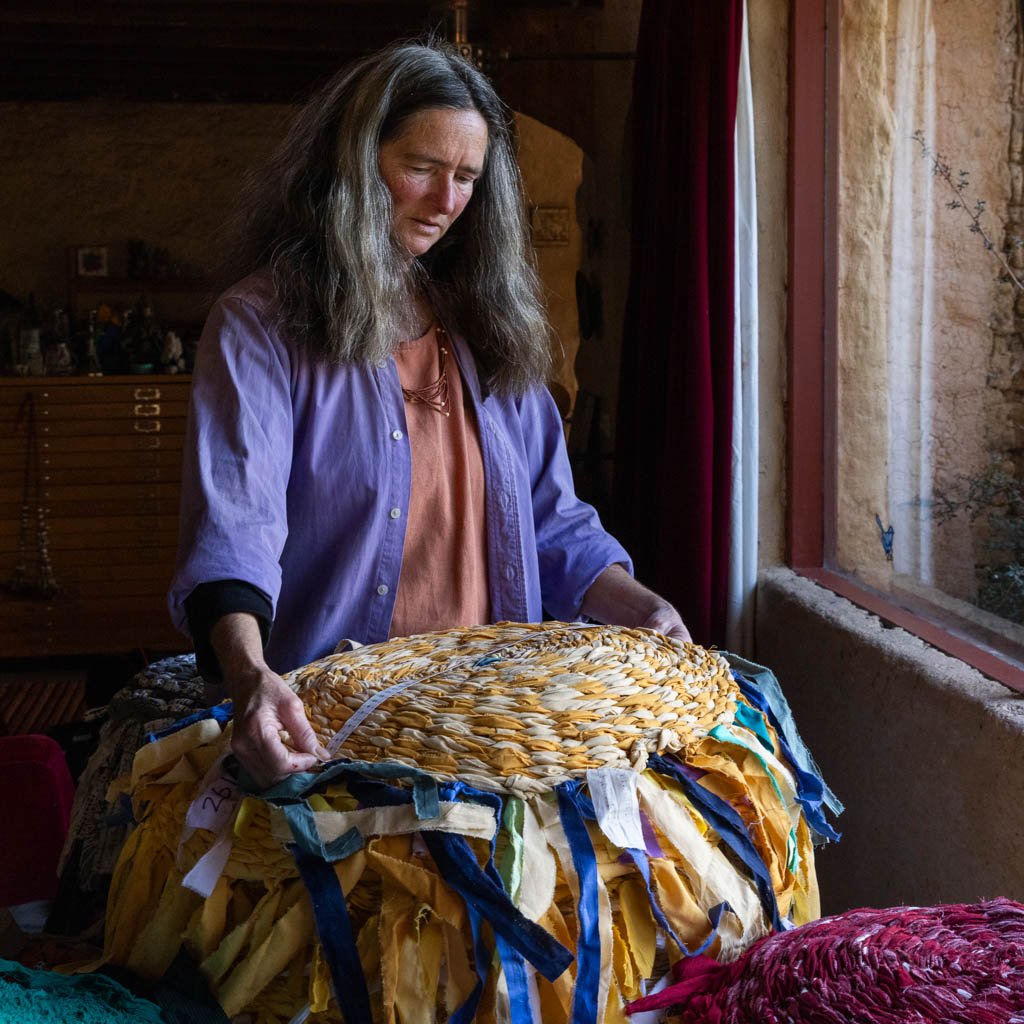
Every rug a different story…. photo Nic Duncan
An epic journey four years and still going ... this film traces a thread of Reclaim the Void. Over 4,000 hand-woven rugs from every state and territory in Australia, and beyond, have been contributed as acknowledgement, apology and desire for the healing of damage done by mining to country and culture of First Nations Custodians.
a few numbers
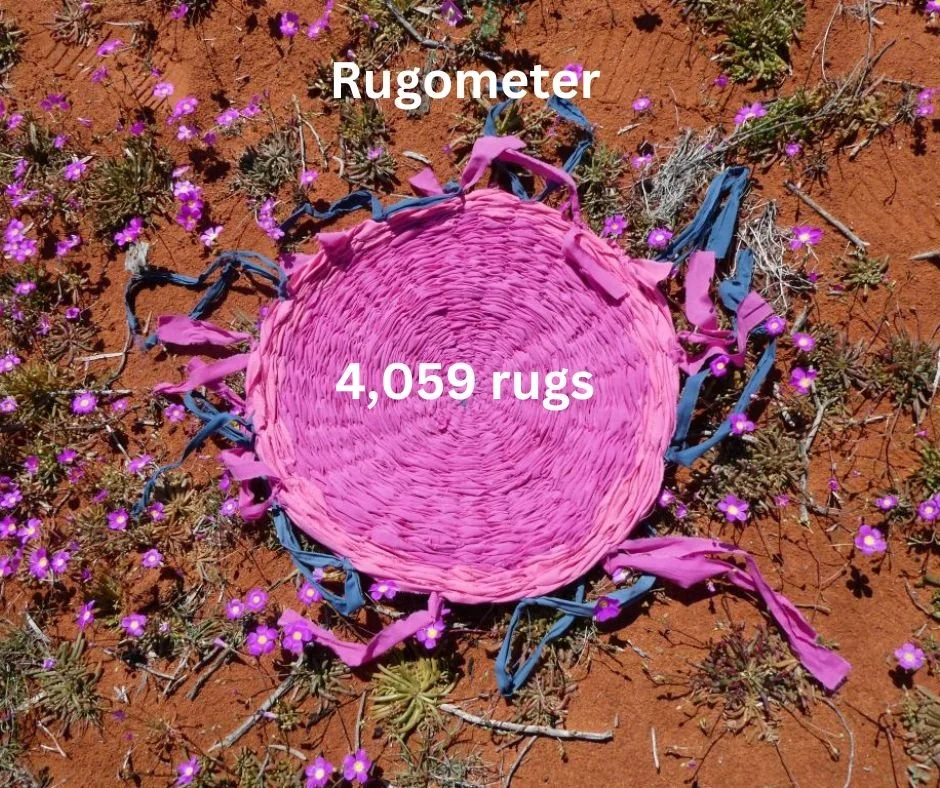


We’ve dug 80,000 holes across sacred land.
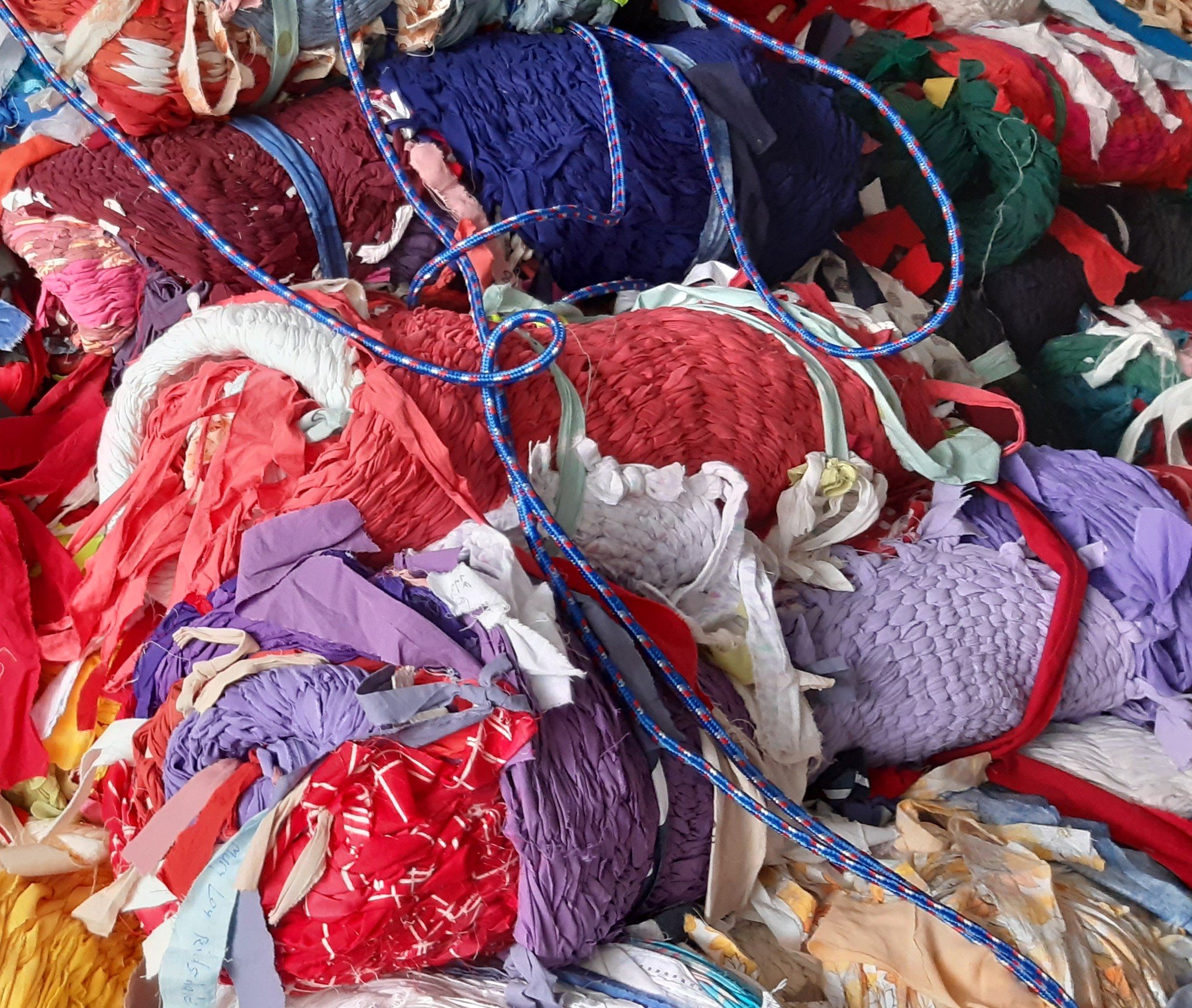
We dump 500,000 tonnes of fabric and clothing every year.
And we’ve given our hands and hearts in healing to create 4,000 rugs to lay on country.





Reclaim the Void has been a collaboration between Vivienne Robertson and the Ngalia Heritage Research Council Aboriginal Corporation, represented by Kado Muir. Funding has been provided by Arts Impact WA, The Department of Local Government, Sport & Cultural Industries, Lotterywest and our partner the Western Australian Museum Boola Bardip.